

Quezon City is transforming idle and flood-prone land into productive community farms, using planting, composting, and local food growing to improve food security, reduce waste, and create green livelihoods across vulnerable urban communities.
JOY is a FARM is a city–university initiative that turns unused urban land into a network of community farms. Through food growing, composting, and training, it strengthens local food systems, reduces organic waste, and creates income opportunities, demonstrating how plant-based urban agriculture can deliver environmental and social benefits at city scale.
Challenge
- High dependence on external food supply, exposed during COVID-19 disruptions
- Over 30% of city waste is organic, contributing to landfill pressure and emissions
- Idle and flood-prone land contributing to environmental risk and lost productive space
Delivered / achieved
- 100+ community farms and greenhouses established across the city
- 1,385 individuals directly supported, including urban farmers, youth, and vulnerable groups
- 30% increase in daily vegetable consumption and 21% increase in income among participants
Impact / approach
- Food growing and composting systems convert organic waste into soil, closing the food–waste loop
- Community farms improve local food access, livelihoods, and urban greening
- University-led model combines training, research, and community delivery to scale impact city-wide
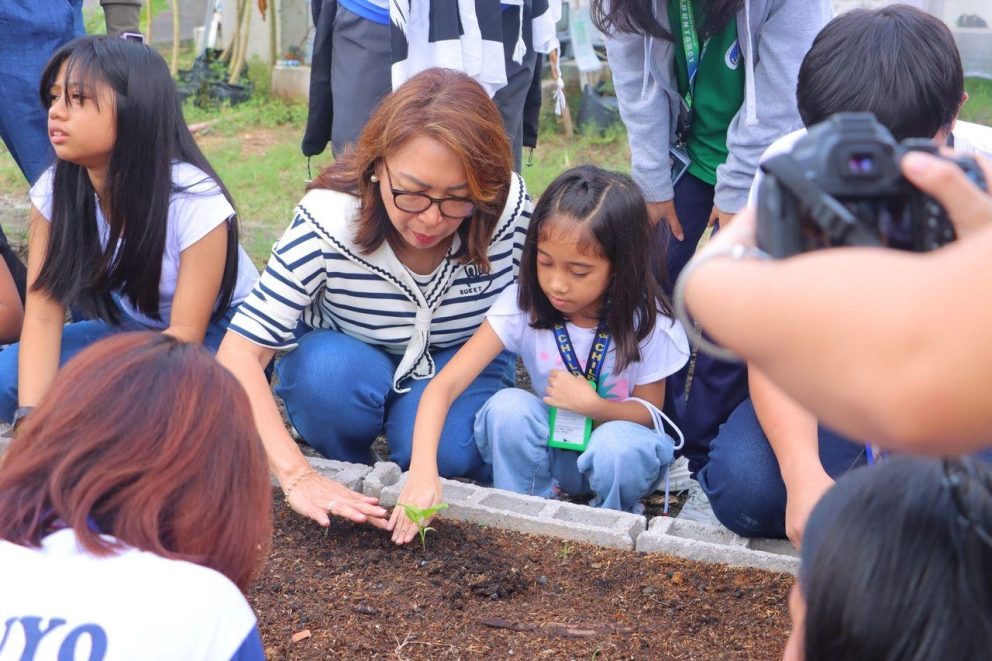
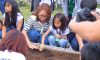
Image 01: Dr. Theresita V. Atienza, President of Quezon City University, joins children from Barangay Sauyo during the Urban Farming Seminar and Site Visit on November 16, 2024, guiding them in planting vegetable seedlings as part of the JOY is a FARM community learning activity. The initiative promotes early environmental awareness, food sustainability, and intergenerational learning through hands-on urban agriculture. (Photo Credit: Quezon City University – Research, Extension, Planning, and Linkages - Research Management Office, REPL-RMO)
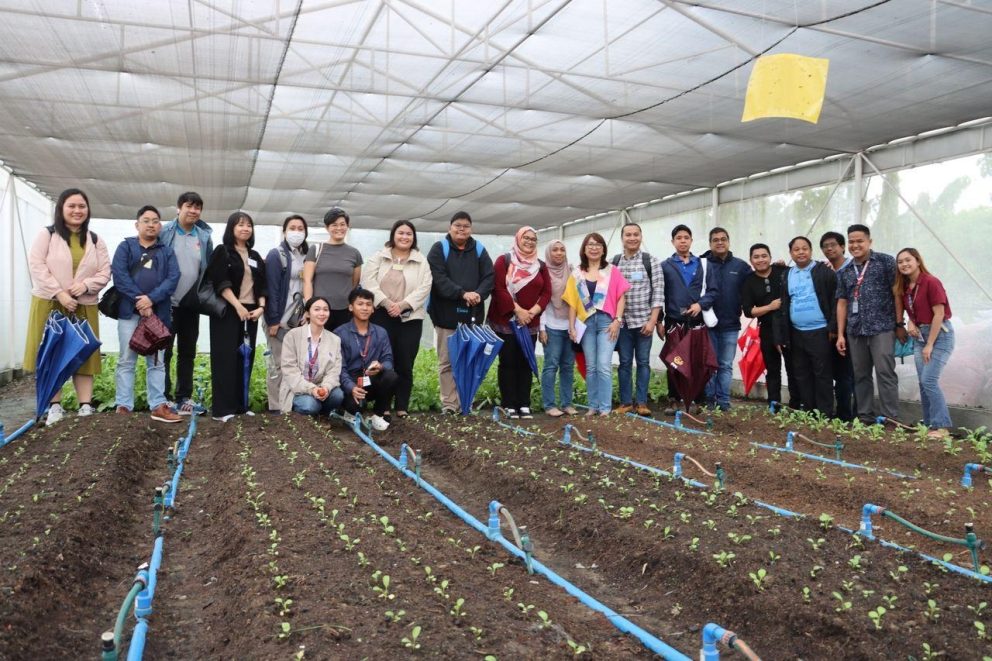
Image 02: Delegates from the C40 Cities Southeast Asia Regional Academy, together with officials from the Quezon City Government and Quezon City University (QCU), visit the QCU Center for Urban Agriculture and Innovation (QCU-CUAI) on September 5, 2024. The group toured the university’s commercial greenhouse at the San Bartolome Campus to learn about QCU’s sustainable urban farming technologies and practices. The visit formed part of the C40 Regional Academy’s learning exchange program, which enables cities worldwide to share inclusive and climate-resilient strategies. (Quezon City University – Research, Extension, Planning, and Linkages - Research Management Office, REPL-RMO)
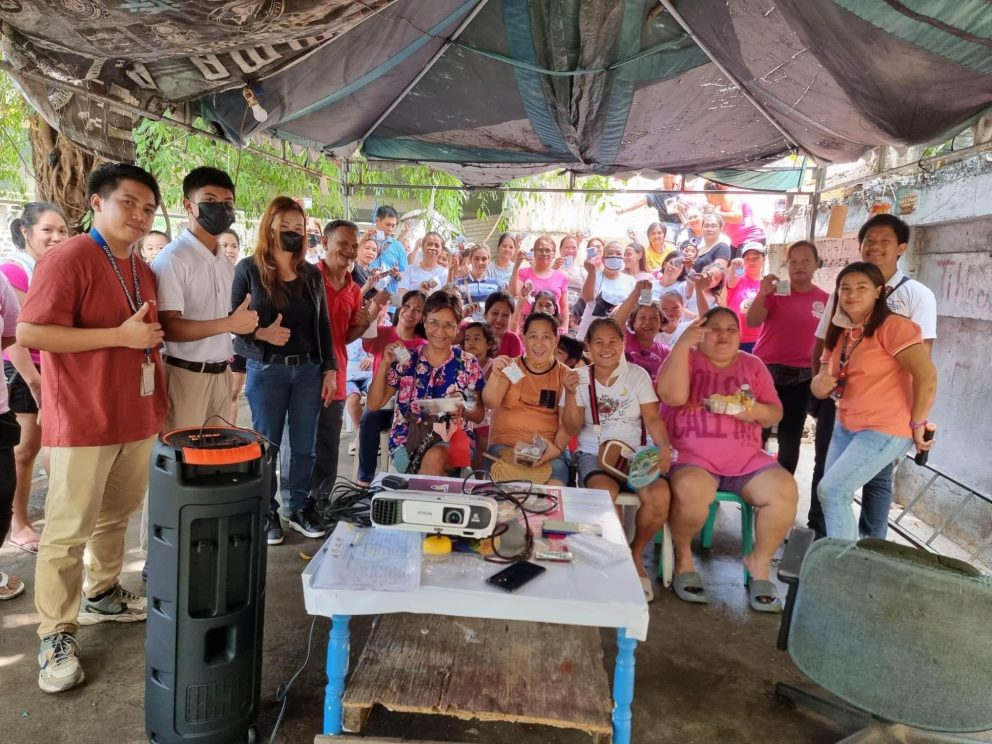
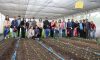
Image 03: Urban farmers from Barangay Gulod, District 5, Quezon City, participate in the Urban Farming Training Lecture 1held on June 7, 2023. The activity, organized by the Quezon City University – Center for Urban Agriculture and Innovation (QCU-CUAI) under the flagship JOY is a FARM program, introduced the members of the Samahang Maralita ng Gulod Homeowners Association to basic urban agriculture practices. Participants received vegetable seeds from the Joy of Urban Farming Program to start their own home and community gardens. Youth beneficiaries from the SAGIP-OSY group also shared their experience in establishing their own urban farm. (Quezon City University – Center for Urban Agriculture and Innovation, QCU-CUAI)
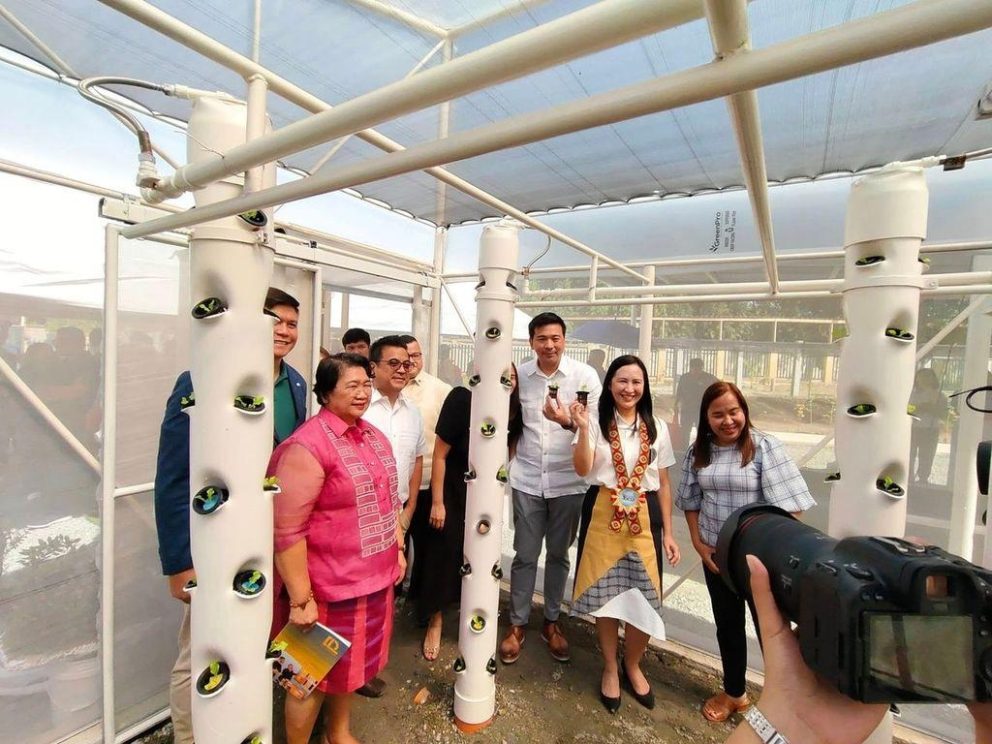
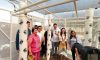
Image 04: Quezon City Mayor Hon. Joy Belmonte and Engr. Remelyn R. Recoter, Director of the Department of Agriculture–Agricultural Training Institute (DA–ATI), together with Quezon City LGU officials and DA–ATI representatives, visit one of the greenhouses at the QCU Center for Urban Agriculture and Innovation (QCU-CUAI) during its inauguration and blessing on March 1, 2024. The event also gathered representatives from the Bureau of Plant Industry (BPI), BFAR-NCR, and SEED Philippines, reinforcing inter-agency collaboration in advancing urban agriculture and food security in Quezon City. (Quezon City University – Research, Extension, Planning, and Linkages - Research Management Office, REPL-RMO)
9 September 2026
