
Montreal is transforming contaminated urban land through phytoremediation, using willows and poplars to clean soils in situ, restore biodiversity, and convert brownfield sites into resilient, multifunctional green spaces.
Located on four hectares of formerly industrial land, the project uses tree plantations to remove heavy metals and degrade hydrocarbons. Supported by scientific monitoring and partnerships, it demonstrates a low-carbon alternative to conventional remediation, improving soil quality, supporting biodiversity, and enabling the long-term regeneration of contaminated urban sites.
Challenge
- Nearly 1,000 hectares of contaminated land across Montreal
- Over 1,600 contaminated sites identified on Montreal Island
- Legacy industrial pollution limiting safe use of urban land
Delivered / achieved
- Pilot project applied to 4 hectares of contaminated municipal land
- Soil surface contamination reduced by 20% to 65% after six years of treatment
- Up to 98% reduction in polycyclic aromatic hydrocarbons (PAHs) in some areas
- Nearly 75% of treated soils now meet Quebec environmental standards
- Each site sequesters approximately 25 tonnes of CO₂ annually
Impact / approach
- Plant-based remediation techniques used to clean and restore contaminated soils
- Restored land made safe for future green space and community use
- Demonstrates how planting can regenerate degraded urban land at scale
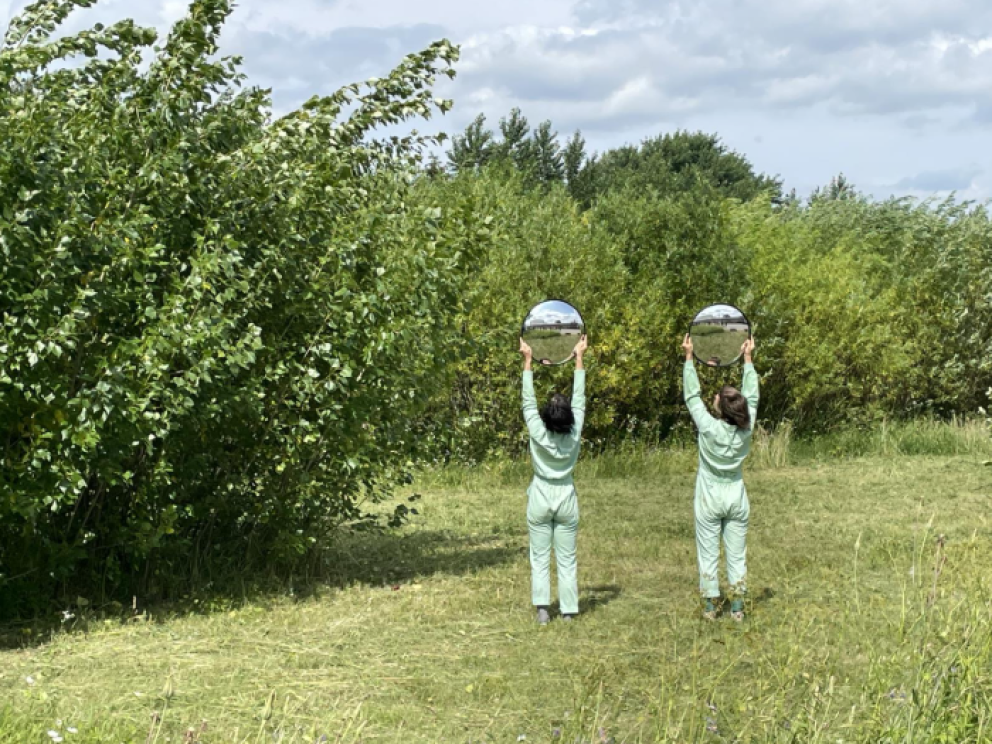
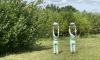
Image 01: “Angles of consequence” art performance on site for the population. (Michel Labrecque)
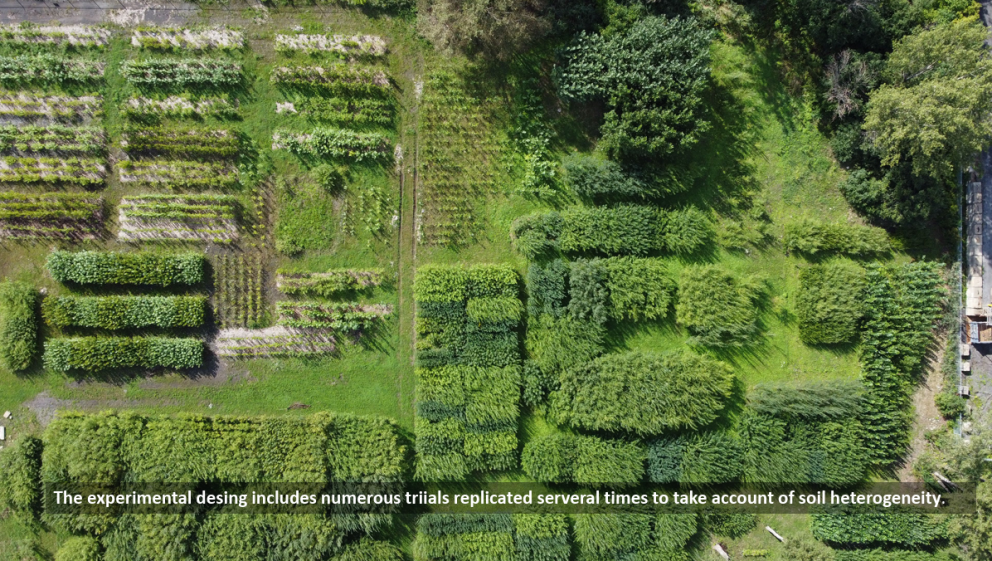
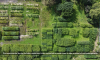
Image 02: An example of the experimental design, which included numerous trials replicated several times to account for soil heterogeneity. (Michel Labrecque)
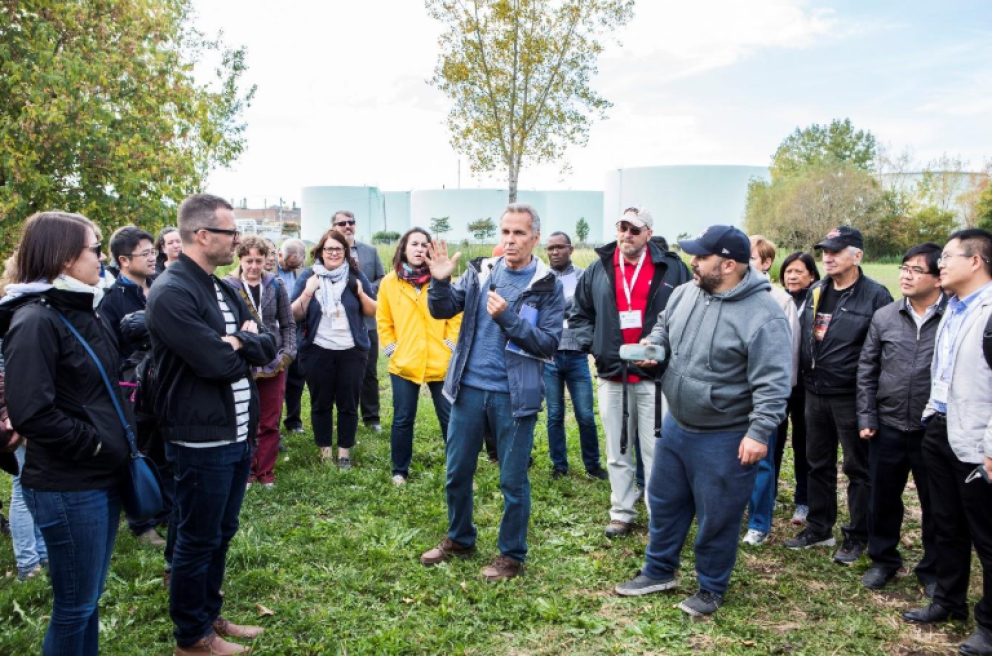
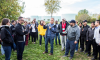
Image 03: Field trip organised for the 14th IPC annual Conference. One of the many field trips organized to explain the project. (Michel Labrecque)
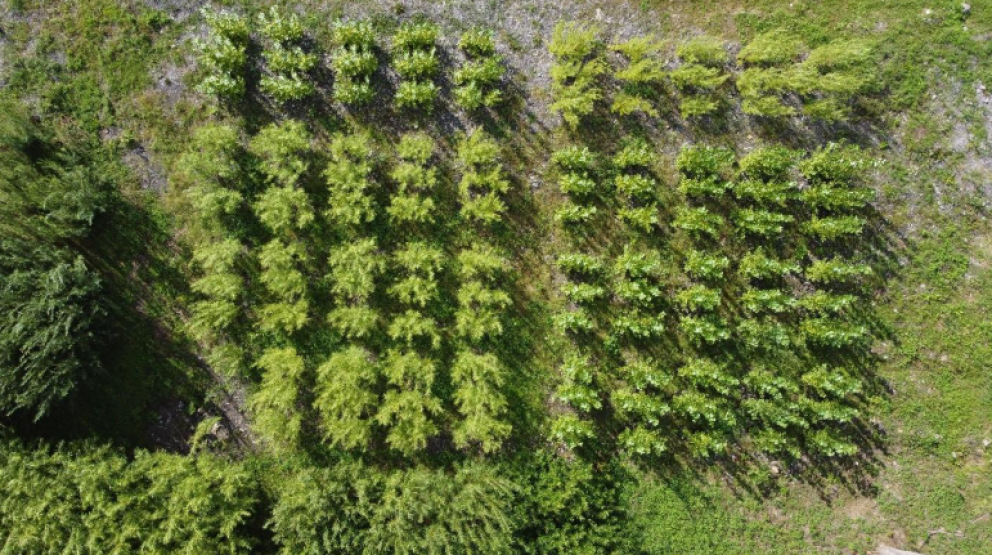
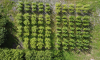
Image 04: View of one of the setups implemented to test the effects of soil amendments on the phytoremediation performance of the tested plants. (Michel Labrecque)
9 September 2026
