
Maringá is transforming unused urban land into productive community gardens, using natural, chemical-free planting to improve food security, generate income, and strengthen social cohesion while restoring degraded spaces across the city.
Since 2007, Maringá has converted neglected urban land into a network of community gardens managed by local residents. Using natural, soil-restoring growing methods, the programme produces fresh food, supports income generation, and regenerates urban land, demonstrating how urban greening can deliver social, economic, and environmental benefits together.
Challenge
- Idle public land becoming illegal dumping sites and environmental hazards
- Food insecurity and limited income opportunities in vulnerable communities
- Lack of safe, shared spaces contributing to social fragmentation
Delivered / achieved
- 42 community gardens established across the city - effectively forming a green belt
- 1,274 families engaged in daily cultivation
- ~60 tonnes of fresh produce generated annually
Impact / approach
- Natural, chemical-free planting restores soil health and regenerates degraded land
- Gardens function as productive green infrastructure, improving food security and livelihoods
- Community-led model strengthens social cohesion and activates underused urban space
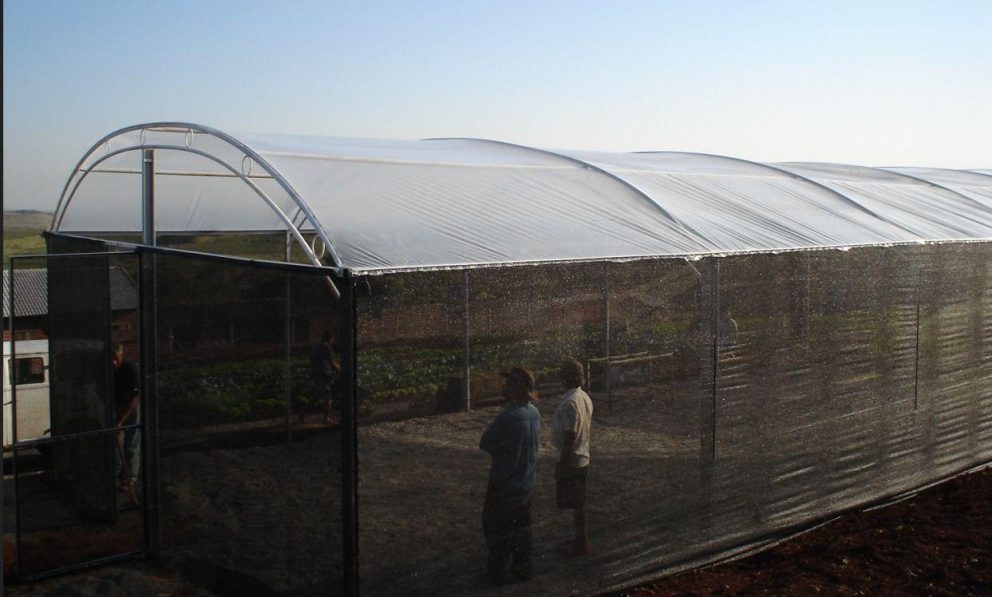
Image 01: Greenhouse implementation in the gardens. (Prefeitura do Município de Maringá)
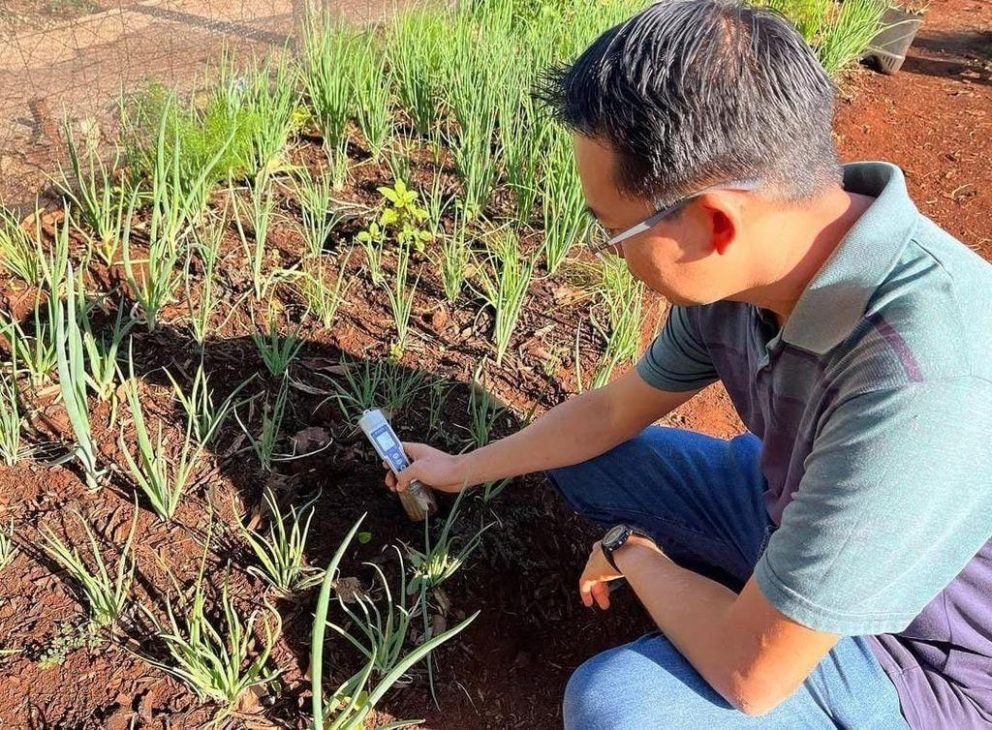
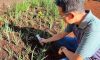
Image 02: The Agronomist from Maringá City Hall is measuring the soil pH, the ideal soil for planting is 5.5 to 6.5, which is slightly acidic. (Prefeitura do Município de Maringá)
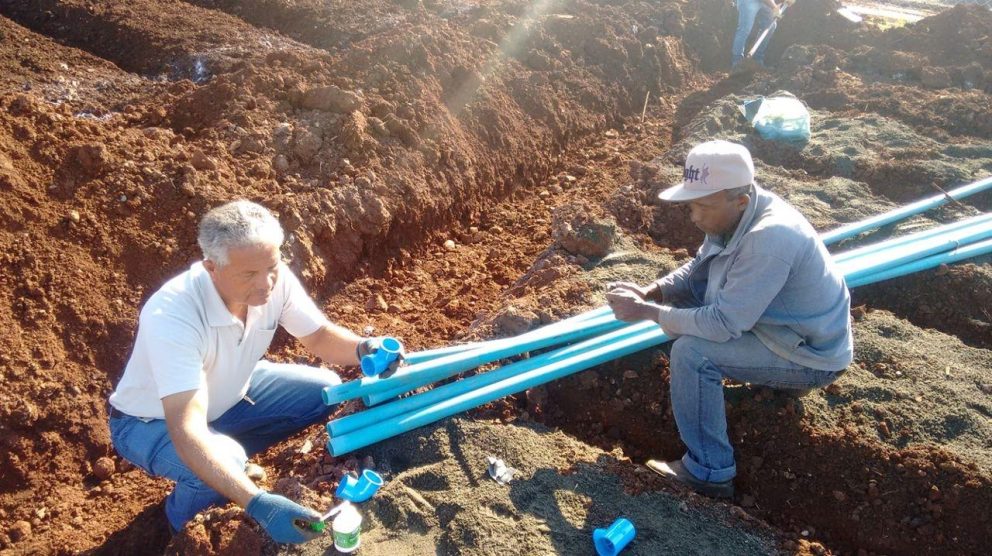
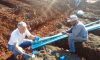
Image 03: Preparation of the hydraulic system. (Prefeitura do Município de Maringá)
9 September 2026
