
Bunia is transforming schools into hubs for urban greening and water management, using tree planting, school gardens, and planted water systems to reduce flooding, restore ecosystems, and equip young people with skills to build a more resilient city.
The Green Schools of Bunia project places schools at the centre of a city-wide green belt, combining tree planting, agroforestry, and rainwater management. Engaging over 6,000 students, it reduces flooding and erosion, improves food security, and builds long-term climate resilience through education and community action.
Challenge
- Over 85% of residents live in flood-prone areas, with increasing erosion and infrastructure damage
- Loss of green space and deforestation driving heat increases of 3–5°C
- Declining agricultural productivity and rising food insecurity
Delivered / achieved
- 20 schools and 6,000 students have participated restoring 12 hectaresof urban green space
- 15,000+ indigenous trees planted across 45 hectares
- 12 community gardens and 3 municipal nurseries established providing up to 30% of locally consumed vegetables and generating additional income for 600 families.
- 5 rain gardens reducing surface runoff by up to 40%
Impact / approach
- Green belt designed as living plant-based infrastructure for flood control, cooling, and biodiversity
- Youth-led tree planting and nursery systems creating 75 green jobs and strengthening community ownership
- Empowered young people to become agents of change, inspiring other institutions to adopt similar green practices.
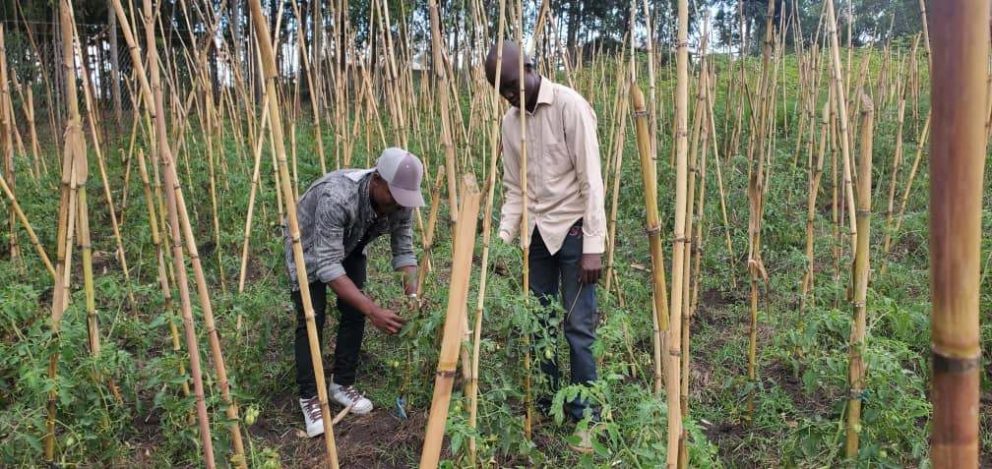
Image 01: This image is the growth assessment of eucalyptus trees recently transplanted into the tomato field, following their removal from the nursery. (Protection of the Environment and Nature OPEN)
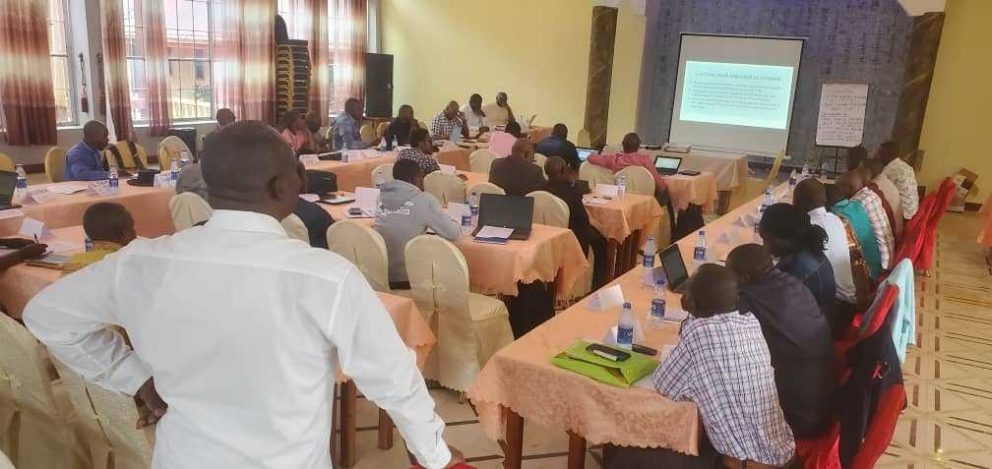
Image 02: A preparatory session was organized for awareness-raising in the schools of Bunia as part of environmental education, aimed at addressing unsanitary conditions that contribute to air pollution and significantly impact the climate. (Protection of the Environment and Nature OPEN)
9 September 2026
