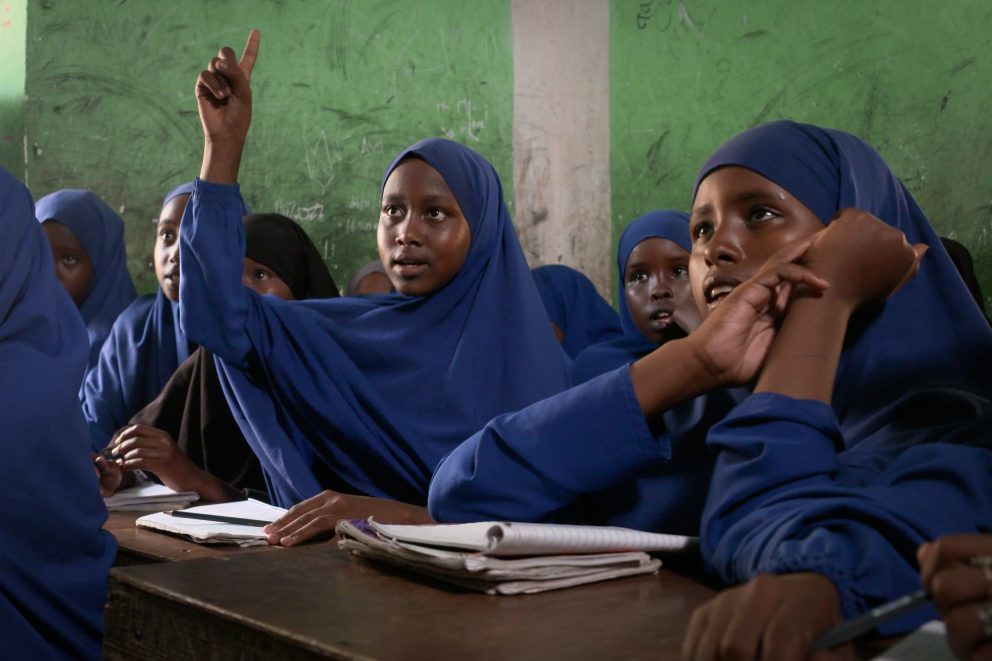
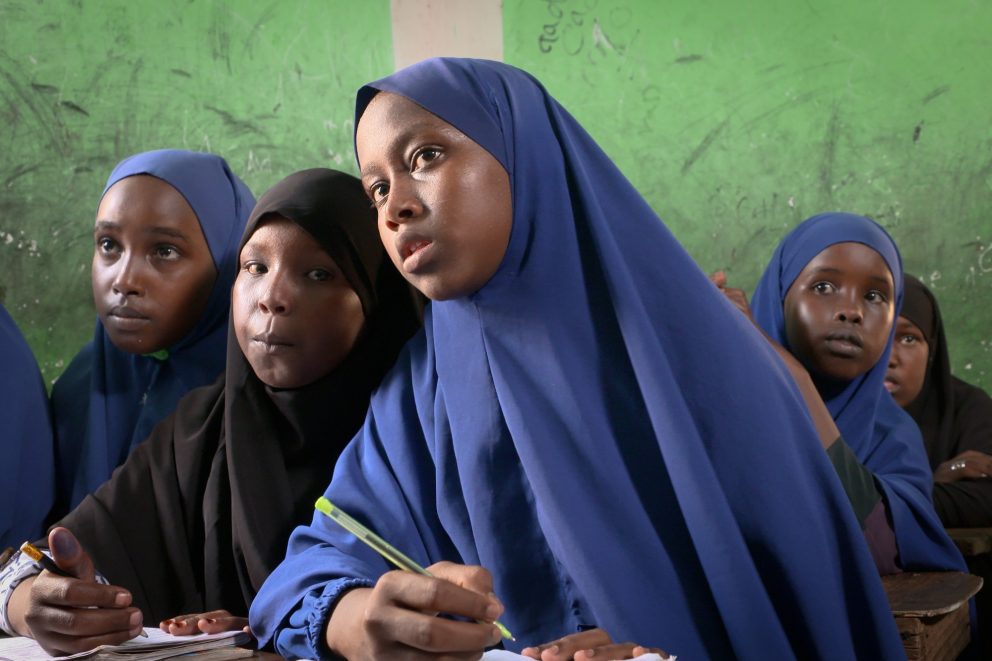

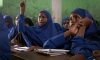
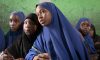

MOGADISHU, Somalia, September 9, 2026 - As students across Somalia begin a new school year, more than 15,725 previously out-of-school Somali girls are now enrolled in classrooms through a comprehensive program funded by the Global Partnership for Education (GPE) and implemented by the Somali education authorities and CARE Somalia.
Through scholarships, school funding and community support, the program is helping girls affected by conflict, displacement and climate shocks overcome the barriers that have kept them out of school. Beyond supporting individual students, the program is strengthening Somalia’s education system through investments in schools, infrastructure and community engagement, expanding access for girls facing the greatest obstacles to learning. This includes the construction of 15 new girls’ schools which are set to be operational at the beginning of this new school year.
As part of these efforts, 8,285 girls affected by conflict, displacement, drought and poverty have been enrolled through scholarships that cover school tuition fees and essential learning materials, helping families overcome one of the greatest financial barriers to education. The program aims to reach 10,000 girls through scholarships by its completion.
"Without GPE support, there are many remote areas we simply could not reach. It is the single largest educational support initiative in Somalia today," says Abdinasir Serar Mah, Jubaland State Minister of Education.
For many Somali families, school fees remain prohibitively expensive, particularly during times of crisis. When resources are scarce, girls are often the first to miss out on education. Girls who are out of school are also at greater risk of child marriage and other forms of vulnerability. The challenge is especially acute for girls from nomadic communities, minority groups and families displaced by conflict or climate-related disasters.
The scholarships are conditional upon maintaining at least 90% attendance, helping ensure that girls not only return to school but remain enrolled throughout ongoing economic and environmental shocks. The Ministry of Education and CARE help verify attendance and learning conditions quarterly and ensure the learning conditions remain satisfactory.
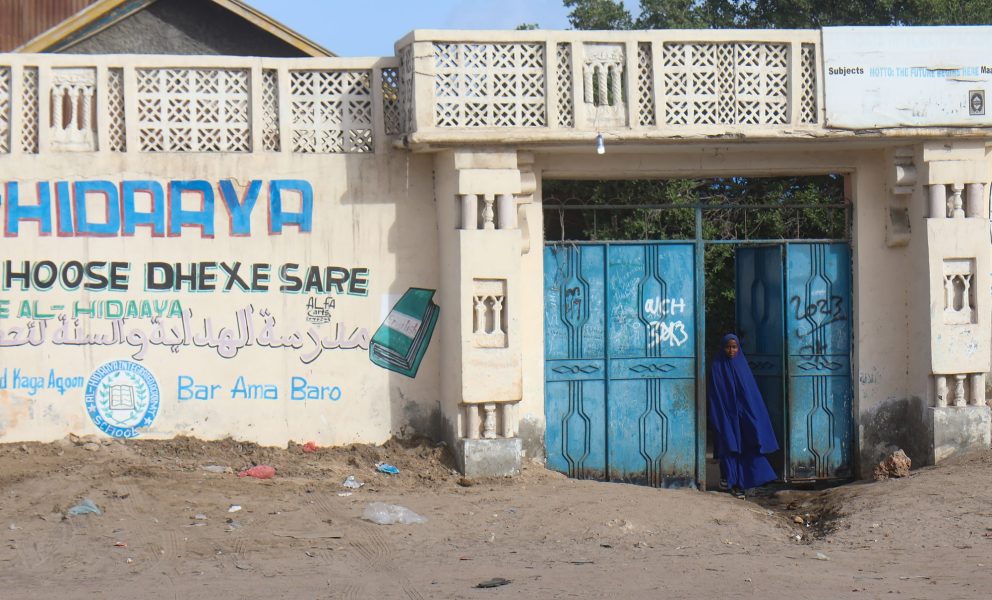
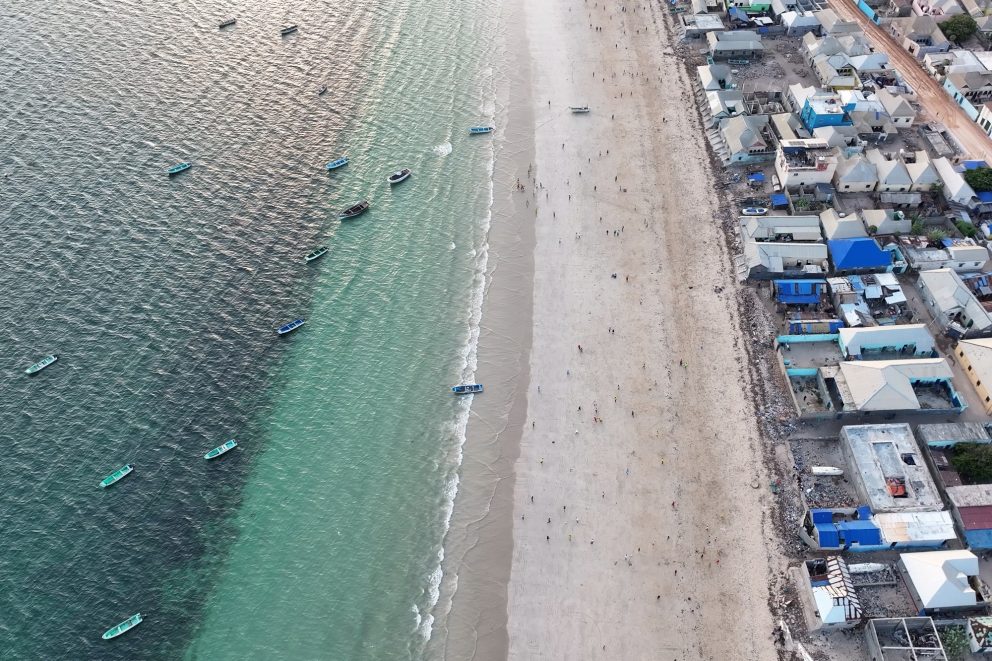
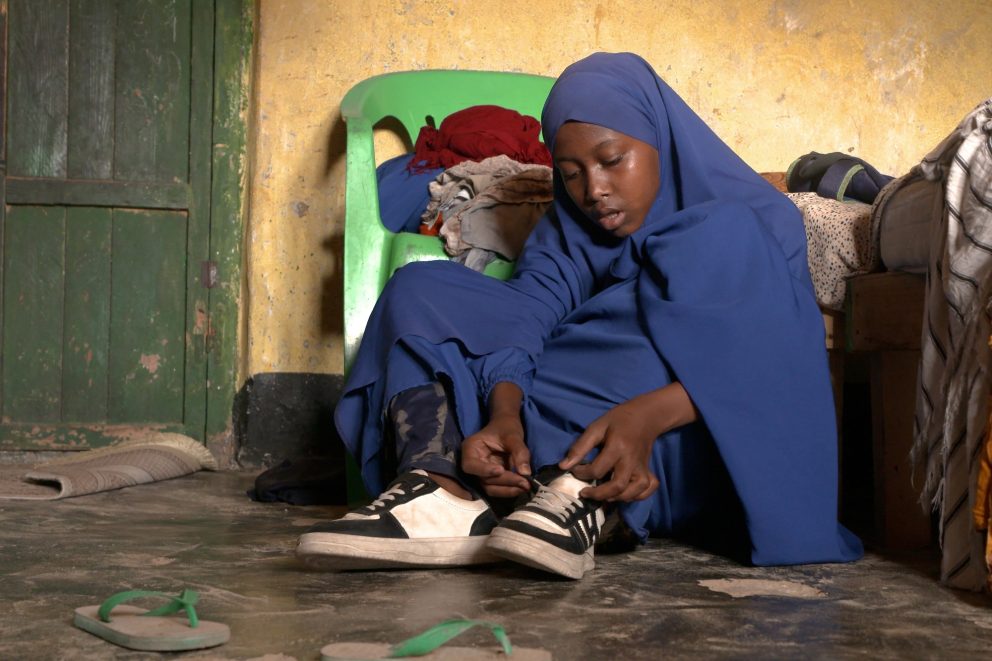
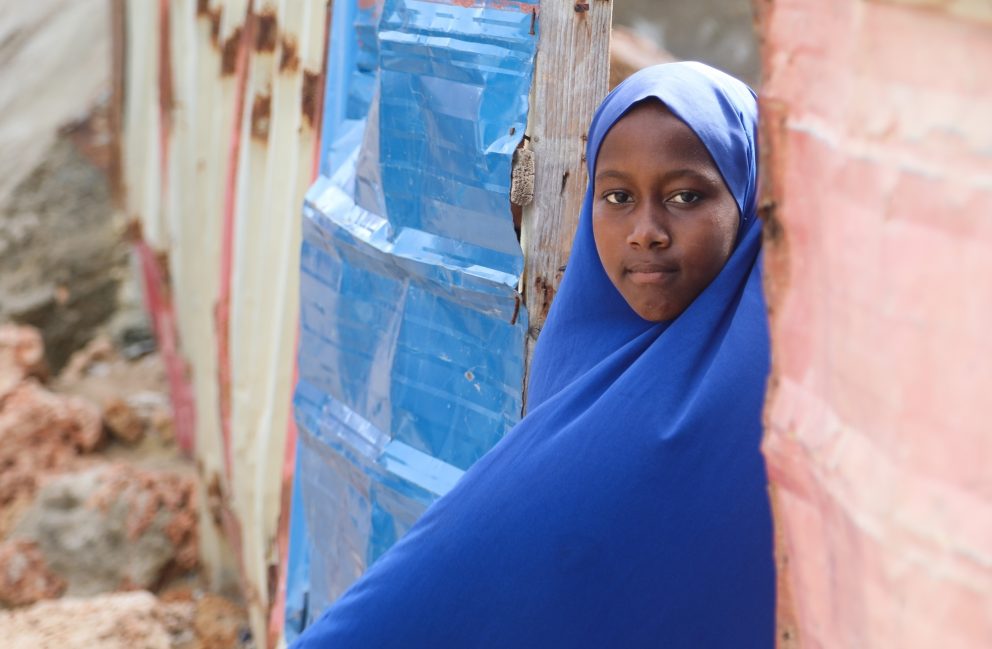
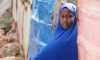
Among girls benefiting is 12-year-old Layla, whose family was forced to flee their pastoral village of Caanole after years of drought devastated their livestock. Displaced to the coastal city of Kismayo, Layla's family struggled to meet their basic needs, making school an impossible expense.
Today, thanks to a GPE-funded scholarship, Layla has returned to school. "My dream is to become a university professor so I can teach others, uplift my community and contribute to my country," Layla says.
For girls like Layla, the scholarship is not only opening the classroom door—it is giving them the opportunity to continue their education despite conflict, displacement and climate shocks.
Somalia continues to face one of the world's most challenging education environments. Nationally, only 40.4% of primary school-aged children are enrolled, with access particularly limited in rural and nomadic communities. Among nomadic children, only 4% of girls attend school. Against this backdrop, the GPE-supported program is helping thousands of the country's most marginalized girls return to learning.
This year, girls represented more than 40% of candidates sitting the national Grade 12 examinations, while a government-led teacher recruitment initiative increased the share of women among newly recruited teachers from 18% in 2023 to 33% in 2024—expanding the number of women serving as role models in classrooms across the country.
"Educating girls is a top priority for both the government and the Somali public. In Somali culture and Islamic tradition, educating a girl means educating an entire family and community." says Hassan Mohamed Ali, Permanent Secretary, Ministry of Education, Culture & Higher Education, Federal Government of Somalia
Since becoming a GPE partner in 2012, Somalia has received nearly US$260 million in grants to strengthen its education system and expand access to quality education. Implemented in close collaboration with the Somali education authorities, the Girls’ Education Accelerator works alongside GPE's system transformation grant supported by Save the Children and other education investments to strengthen government capacity, improve planning and monitoring, and sustainably expand learning opportunities for girls.
Co-hosted by the Prime Minister of Italy, Giorgia Meloni, and the President of Nigeria, Bola Ahmed Tinubu, GPE's "Multiply Possibility” campaign aims to turn the tide on the global learning crisis by providing better education to nearly 750 million children globally, training 10 million teachers and providing education opportunities for 204 million more children, half of them girls. The campaign builds up to a high-level event on September 23 during the UN General Assembly in New York.
SLUG: SOMALIA GIRLS EDUCATION
DATELINE: KISMAYO / MOGADISHU, SOMALIA
DATE: 2026-07-31
TIME LENGTH: 08:18
SOURCE: Global Partnership for Education via AP Content Services
RESTRICTIONS: EDITORIAL USE ONLY / FREE FOR ALL BROADCAST & DIGITAL PLATFORMS
SHOTLIST
B-ROLL (00:00 – 03:40)
- 00:00 – 00:33: Layla’s journey to school.
- 00:30 – 00:45: Layla school life.
- 01:54 – 03:12: Layla home life.
- 03:12 – 03:40: Aerial shots, Layla’s home, Kismayo City Skyline, school children.
SOUNDBITES (03:40 – 08:18)
- 03:40 – 03:47 | SOUNDBITE 1 – Layla (Primary Student, Al-Hidaaya School)
(In Somali)
"We were forced to leave Caanole village because of the severe drought. All our livestock died, so we had to flee." - 03:47 – 03:57 | SOUNDBITE 2 – Layla (Primary Student, Al-Hidaaya School)
(In Somali)
"Our neighbors told us about a local school offering free education. I said, 'Mother, the neighbors said the school is free, please take me there!'" - 03:57 – 04:22 | SOUNDBITE 3 – Sahra (Layla’s Mother)
(In Somali)
"Layla motivated me herself. She would come to me and say, 'Mother, I want to support you. If I get an education, I will lift us out of poverty and work to serve my community.' Hearing her determination made me do everything I could to get her into school." - 04:22 – 05:06 | SOUNDBITE 4 – Asha Yusuf Abdinoor (Community Liaison, Al-Hidaaya Committee)
(In Somali)
"When drought or displacement occurs, both girls and boys are affected equally. But when a family has even a small amount of money, they usually choose to send only the boy to school. People are aware of it, they follow the program, and many have sent their children to benefit from it; those children are now studying. They see it as beneficial and as an opportunity they needed, but previously lacked because of financial hardship. And now they have the chance to educate their daughters." - 05:04 – 05:54 | SOUNDBITE 5 – Principal Yasiin Cabdi Aadan (Al-Hidaaya School)
(In Somali)
"Honestly, yes, extended time away from school presents real challenges. When older students enter at a beginner level alongside younger children, it creates awkwardness. Older students feel out of place, especially when younger peers comment on their age. Since our focus is on girls, who tend to be naturally shy, this initially affects their confidence. We address this through guidance, teaching them that a classroom is defined by learning, not age or labels. Praise be to God, we have largely succeeded in overcoming this barrier, though it remains an ongoing effort." - 05:54 – 06:30 | SOUNDBITE 6 – Hassan Mohamed Ali (Permanent Secretary, Federal Ministry of Education)
(In Somali)
"The government, and Somali society as a whole, place particular priority on girls attending school. This is because, in Somali culture and in cultures around the world, as well as in Islam and society generally, the principle is that when a girl is educated, the whole community is educated, and, in turn, her family is educated." - 06:30 – 07:14 | SOUNDBITE 7 – Hassan Mohamed Ali (Permanent Secretary, Federal Ministry of Education)
(In Somali)
"Scholarship grants provide vital support by covering school fees and learning materials for vulnerable families. This removes financial pressure so girls do not have to leave school for household labor. By removing every financial and structural barrier, we ensure that vulnerable girls can enter and stay in school." - 07:14 – 07:49 | SOUNDBITE 8 – State Minister of Education (Jubaland Ministry of Education)
(In Somali)
"Without GPE support, there are many remote areas we simply could not reach. It is the single largest educational support initiative in Somalia today." - 07:49 – 08:18 | SOUNDBITE 9 – State Minister of Education (Jubaland Ministry of Education)
(In Somali)
"There are girls whose education was disrupted by hardship, who were married before reaching appropriate age or faced other family circumstances, and the support has helped bring them back into education. Altogether, girls are among the groups who have benefited most significantly from the GPE program."
9 September 2026
