
Alkmaar is transforming its urban environment through a city-wide approach delivering many small, fast green interventions, using plants and Nature-based Solutions to reduce heat, manage flooding, and improve liveability across everyday streets, parks, and neighbourhoods.
Rather than one large project, Alkmaar delivers climate adaptation through repeated small-scale upgrades to streets and public spaces. Using permeable surfaces, tree planting, and water management systems, the approach reduces heat and flooding while improving biodiversity and everyday urban life in a scalable, cost-effective way.
Challenge
- Heat islands, flooding risk, and limited space in dense urban areas
- Ageing neighbourhoods and competing demands on public space
- Traditional large-scale planning too slow to respond to climate pressures
Delivered / achieved
- 50,000 m² of additional public green space delivered (target reached in 2025)
- 4,000+ net new trees planted by end of 2025 (towards 5,000 target by 2030)
- Dozens of streets, parks, and public spaces upgraded using repeatable green interventions
Impact / approach
- Modular, repeatable approach enabling rapid, city-wide scaling of nature-based solutions
- Use of permeable surfaces, wadi systems, and layered planting to manage water and reduce heat
- Strong community involvement through co-creation, planting days, and local stewardship
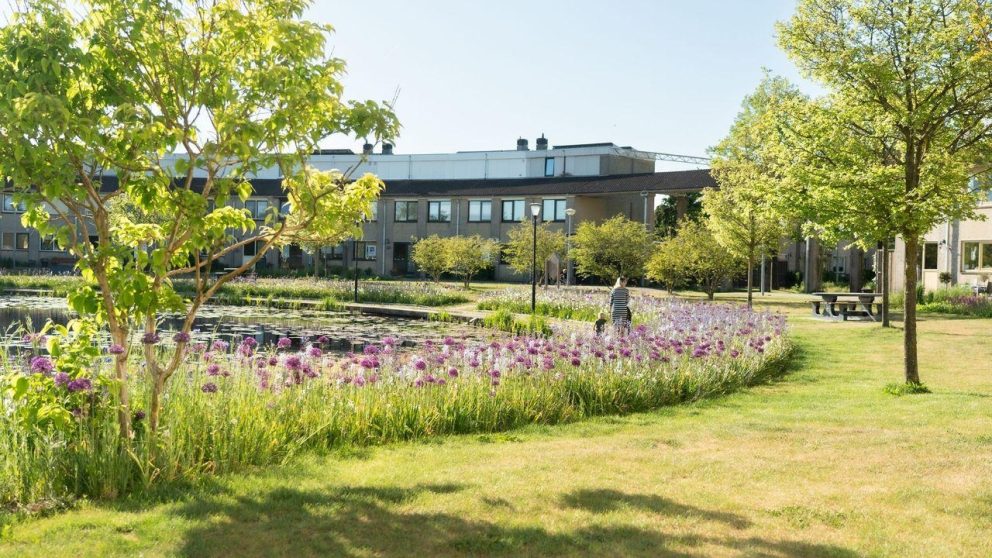
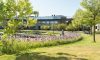
Image 01: 2024: Hans De Riesstraat – From Grey To Green, Together Alkmaar (NL): In the Hans de Riesstraat, 1,500 m² of pavement was transformed into a lush, climate-resilient street. Together with residents, 33 trees and 97 and 100% organically grown, mostly native plants now cool the area and boost biodiversity. Rainwater infiltrates naturally or flows visibly to open water during heavy rainfall. Circular reuse of paving stones and strong community involvement make this project a model for future green cities.
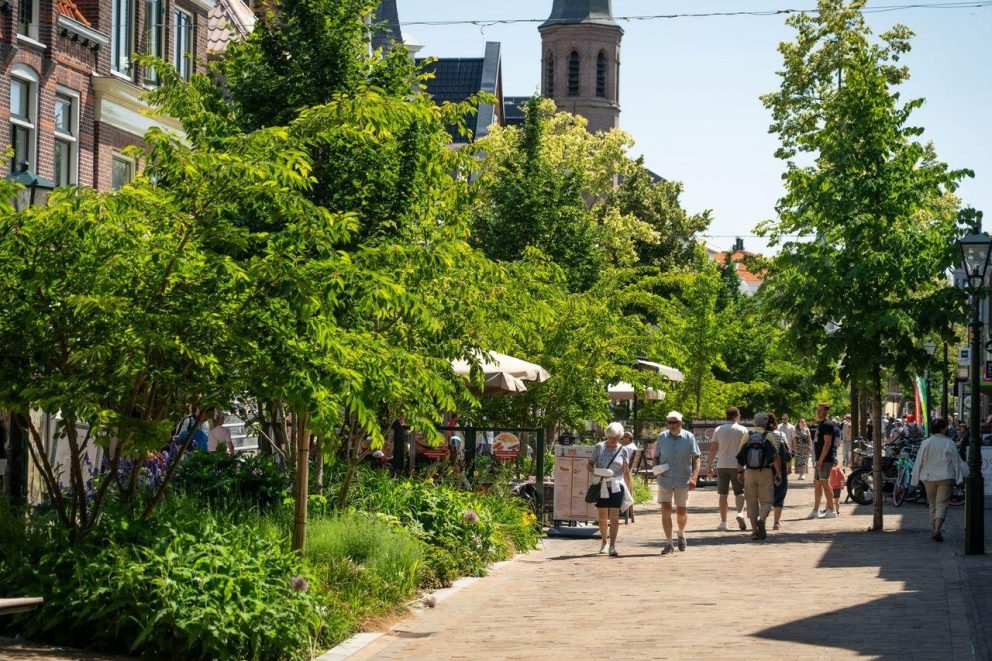
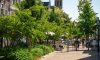
Image 02: 2023: Shopping Area Laat West, Alkmaar (NL): In the heart of Alkmaar’s historic city centre, 630m² of the retail street Laat West was transformed through urban greening. The project introduced 59 new trees, most of them multi- stemmed, perrenials, façade climbers, and permeable surfaces, co-created with local businesses to enhance biodiversity, climate resilience, and of course upgrade the shopping experience.
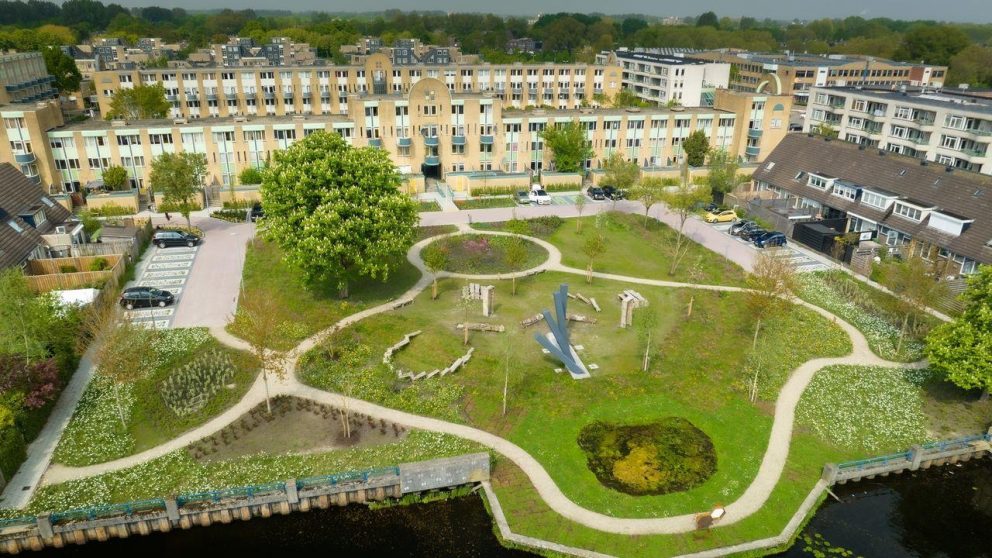
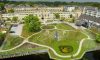
Image 03: 2022: Pocket Parc Urkplein Alkmaar (NL) Tucked away in a residential neighbourhood in Alkmaar North, Urkplein has undergone a quiet transformation, where concrete once dominated, biodiversity now thrives. With 2,750 m² of new greenery as part of Alkmaar’s ambition to create 50,000 m² of additional green space in seven years, this location shows exactly the meaning of a pocket park.
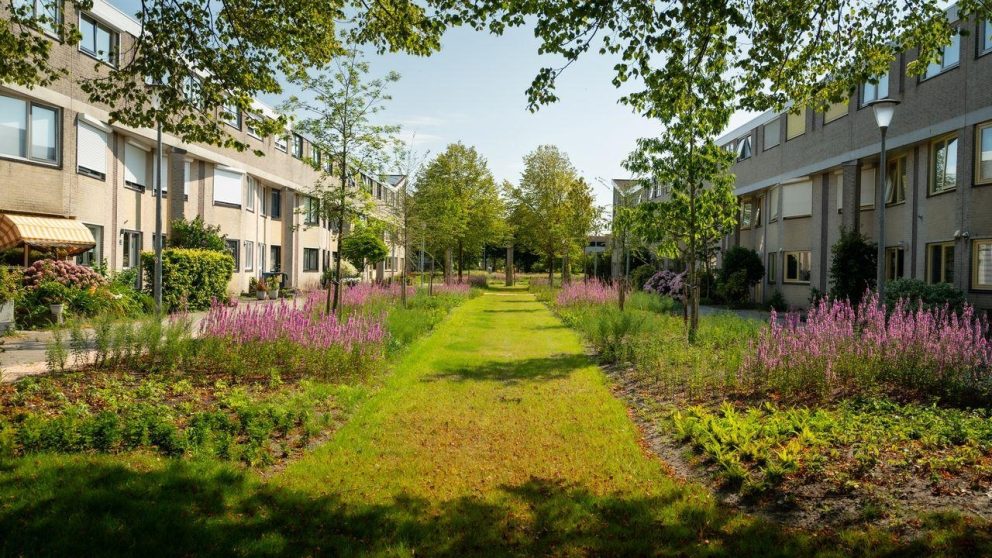
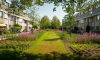
Image 04: Wadi and Perennials, Hans de Riesstraat, Alkmaar: A former sidewalk has been transformed into a green wadi with blooming native perennials all 100% organically grown. The types of plants where chosen by the residents. Design by Paul Weidema, ork by Stadswerk072 and DonkerGroen (Erik Boschman)
9 September 2026
